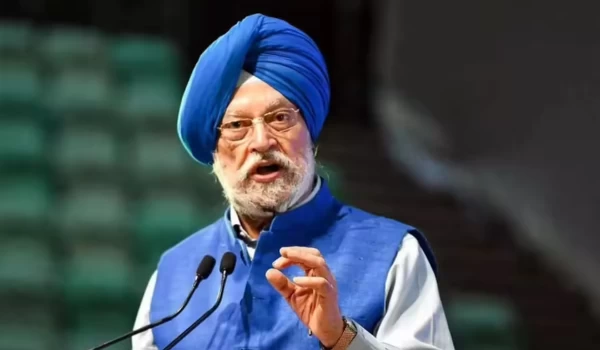
In a significant move against online misinformation, the Delhi High Court has ordered an India-specific ban on social media posts and digital content allegedly linking Himayani Puri, daughter of Union Minister Hardeep Singh Puri, to convicted offender Jeffrey Epstein.
The court’s intervention came after Himayani Puri approached it seeking urgent relief against what she described as a “false and defamatory” online campaign aimed at damaging her reputation. She argued that a series of posts, videos, and articles circulating across platforms had no factual basis and were maliciously designed to malign her.
Court finds prima facie case of defamation
Hearing the plea, the High Court observed that the material in question made out a prima facie case of defamation and warranted immediate restraint. It subsequently directed the removal and restriction of such content within India, effectively curbing its further circulation online.
Allegations of coordinated online campaign
In her petition, Puri alleged that the posts were part of a “coordinated and malicious” campaign that falsely attempted to establish personal, financial, or professional links between her and Epstein. She maintained that these claims were entirely baseless and had caused serious reputational harm.
The lawsuit also seeks damages and an unconditional apology from those responsible, highlighting how widely the content had spread across social media platforms and digital outlets.
Wider concerns over digital misinformation
The case underscores growing concerns around the rapid spread of unverified and defamatory content online, particularly involving public figures and their families. Legal intervention in such cases is increasingly being seen as a necessary step to curb reputational damage in the digital age.
With the court stepping in decisively, the case could set an important precedent on how Indian courts handle misinformation and defamation in the era of viral social media narratives.