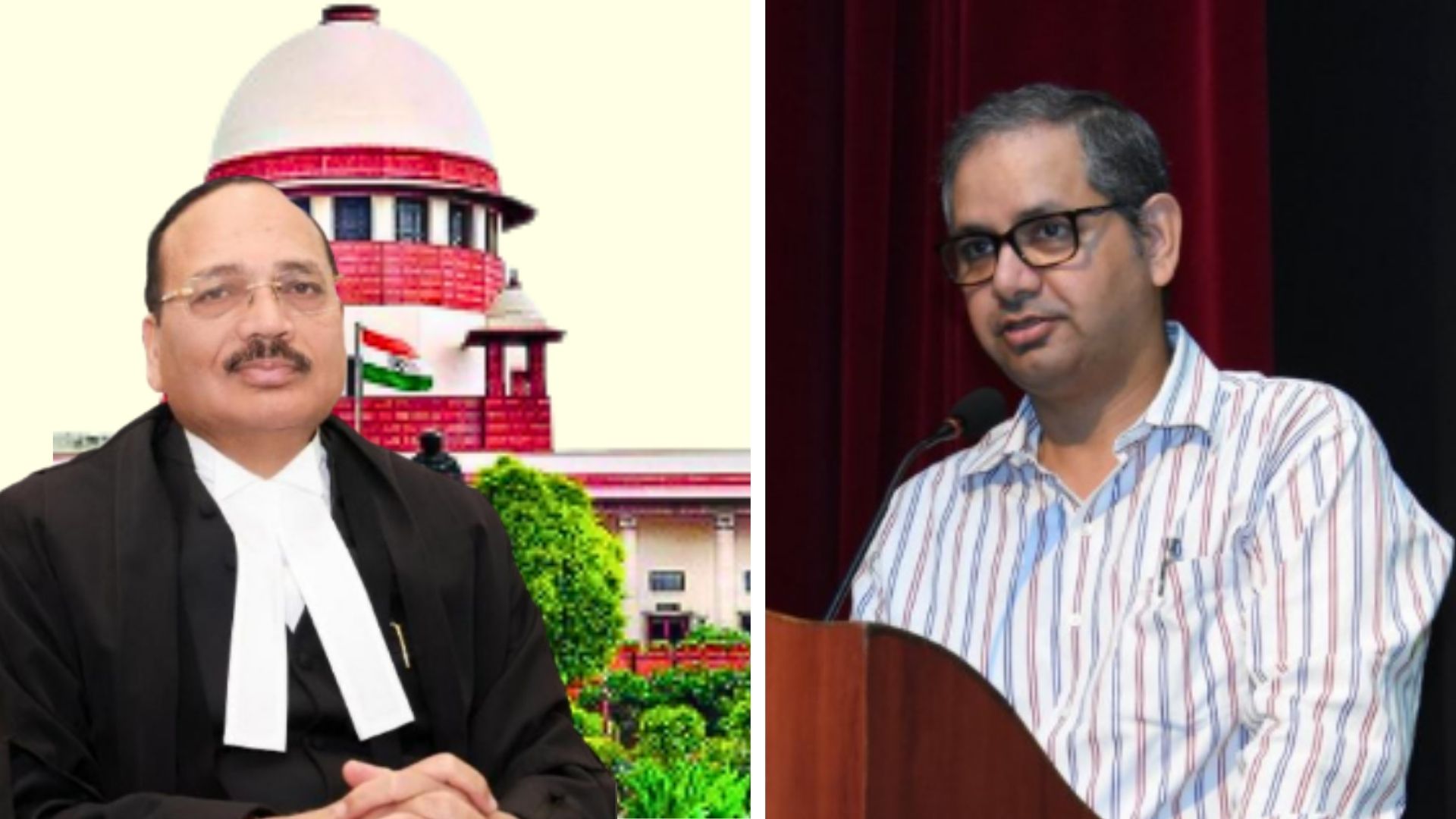
The Supreme Court on Monday came down sharply on the West Bengal administration - particularly Chief Secretary Dushyant Nariala - over its handling of last week’s Malda incident, where seven judicial officers were held hostage for several hours during Special Intensive Revision (SIR) duties. While the Court ultimately decided not to proceed with punitive action, it made strong observations on administrative lapses and lack of coordination.
A Bench led by Chief Justice of India Surya Kant, along with Justice Joymalya Bagchi and Justice Vipul Pancholi, had earlier taken suo motu cognisance of the incident and directed senior state officials - including the Chief Secretary, Director General of Police, Home Secretary, Malda District Magistrate, and Superintendent of Police, to explain their response.
All officers appeared before the Court virtually on Monday.
What’s The Problem?
During the hearing, the Chief Justice of India expressed concern over what he described as a serious communication breakdown at a critical moment. Addressing the Chief Secretary, he asked, "What is the problem? You don't even entertain the call of the Chief Justice?"
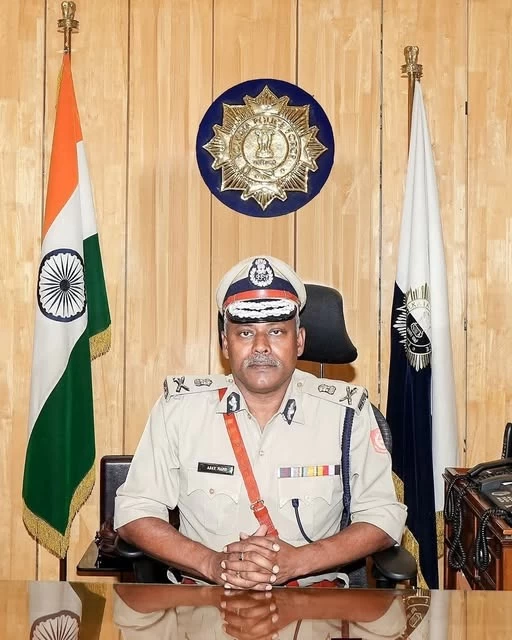
Nariala responded that he had not received any such call and explained that he was travelling to Delhi at the time, claiming to have been on a flight between 2:00 p.m. and 4:00 p.m. He added that no communication had reached him from officials in Kolkata.
However, Justice Joymalya Bagchi pointed out that attempts to contact him were likely made later in the day, after he had landed. The judge observed that the situation might have been mitigated had the Chief Secretary shared accessible contact details.
When Nariala maintained that he used a “more secure” phone line, Justice Bagchi responded with a sharp rebuke:
"Security so high that even the Chief Justice of Calcutta High Court cannot access? So please lower yourself a bit so ordinary minions like the Chief Justice of High Court can access you," he said.
Following this exchange, the Chief Secretary expressed regret and apologised before the Court. Justice Bagchi further directed him to convey an apology to the Chief Justice of the Calcutta High Court.
“Sheer Failure” of Administration
The Bench did not mince words in criticising the broader administrative response. The Chief Justice remarked that there had been a “sheer failure” on the part of both the Chief Secretary and the state machinery, noting that the Election Commission of India had effectively been sidelined during the crisis.
He observed that the administration failed to maintain communication with the Election Commission despite it being the authority empowered to issue directions in such emergencies - leading to avoidable confusion and escalation.
At one point, when Senior Advocate Siddharth Luthra attempted to explain that the Chief Secretary had been engaged in a meeting with the Election Commission, the Chief Justice cut him short, stating: "Please do not defend him," and added that the Court was increasingly encountering what it termed an “obstinate” bureaucratic attitude across states.
The Court also expressed dissatisfaction with the role of the Malda police, particularly the Superintendent of Police, indicating that delayed and inadequate response on the ground contributed to the worsening of the situation. The Bench suggested that timely intervention could have prevented the prolonged gherao of judicial officers.
No Further Action, But Strong Warning
In its order, the Court recorded the presence of all concerned officials and noted that it expected them to have understood the seriousness of their responsibilities, especially in situations involving the safety of judicial officers.
"The Chief Secretary and other officers are present online. We hope that the officers have now well understood the sense of responsibility in which they were expected to respond and provide assistance to the Chief Justice of the High Court when judicial officers were made hostages. We do not propose to take any further action against them," the Bench stated.
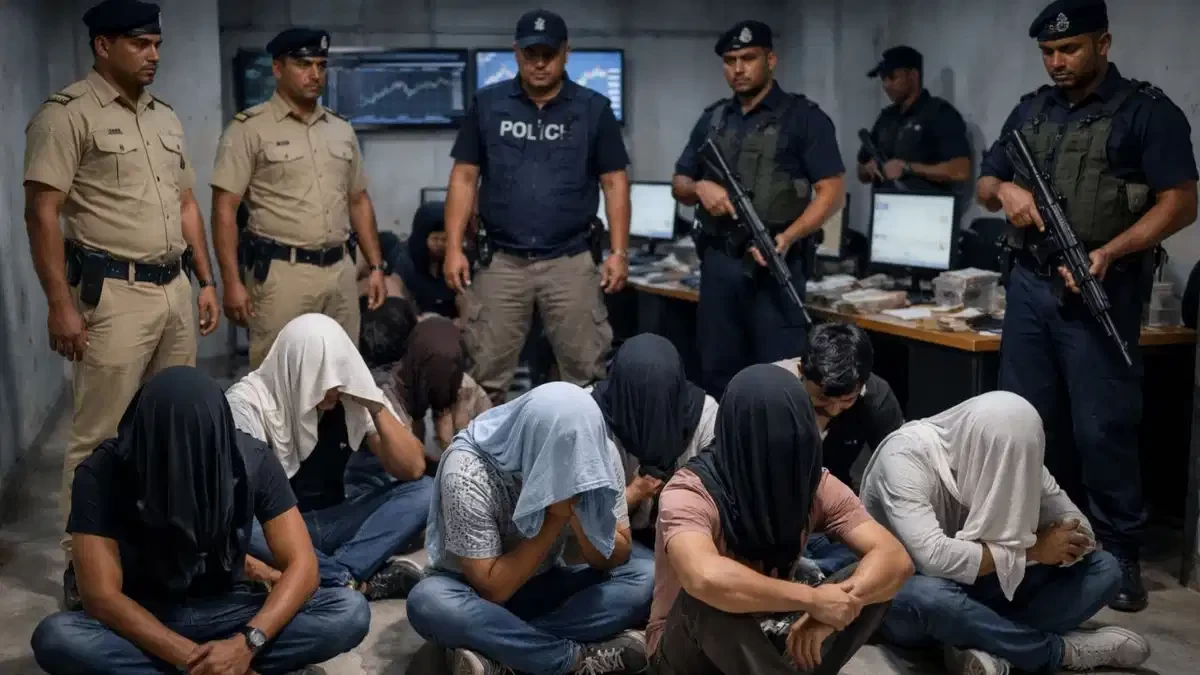
The incident in Malda had triggered significant concern within judicial and administrative circles after seven judicial officers, deployed for electoral roll-related duties, were allegedly surrounded and confined for hours before security forces intervened and secured their release. “Please send your apology to the Calcutta High Court Chief Justice”, the Bench instructed the chief secretary, who was appointed by the election commission of India soon after announcing West Bengal election dates on March 15, as model code of conduct became effective in the poll bound state.